
Laissez un message
Si nos produits vous intéressent et que vous souhaitez en savoir plus, veuillez laisser un message ici, nous vous répondrons dans les plus brefs délais.
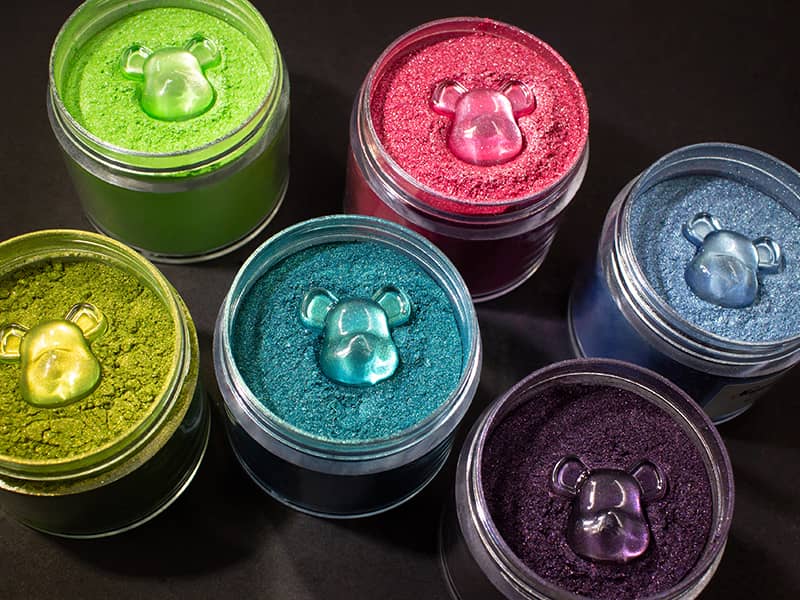
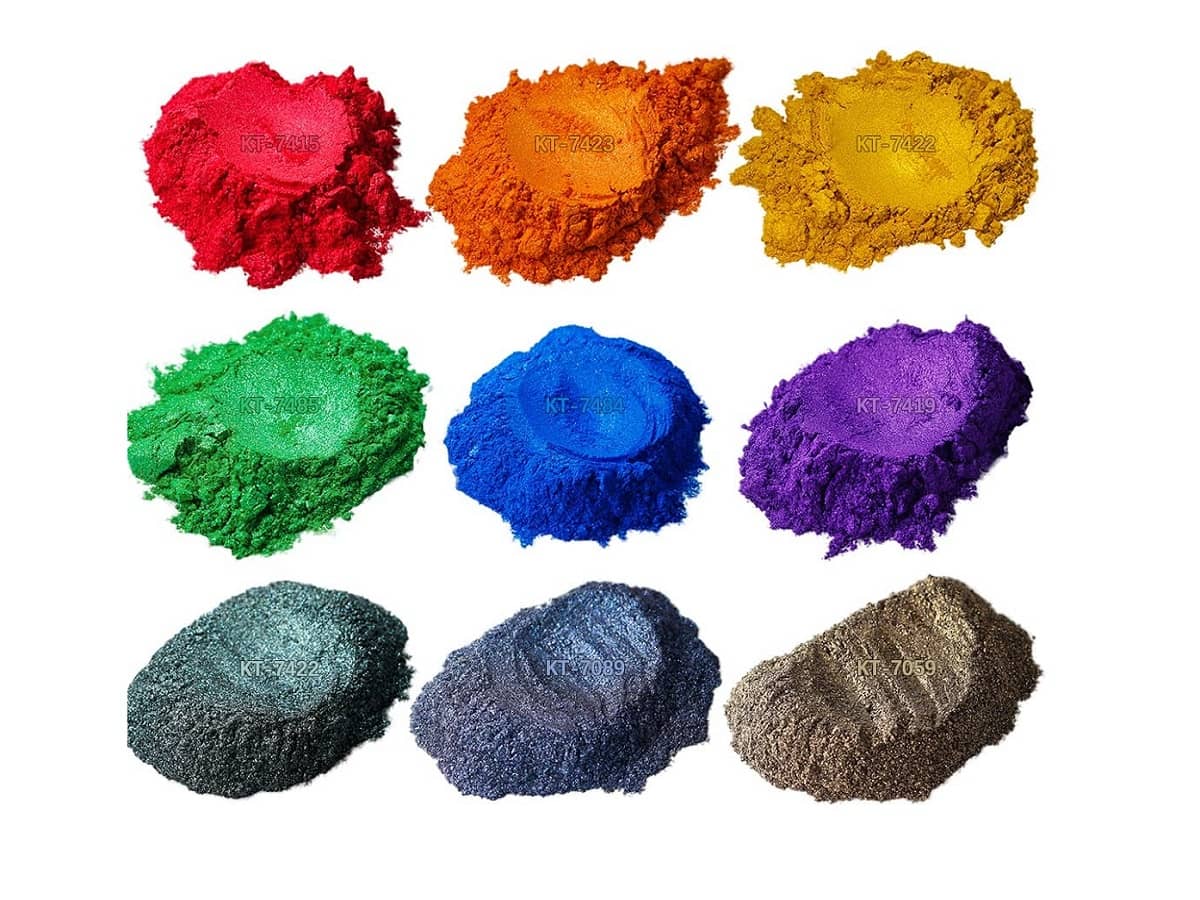
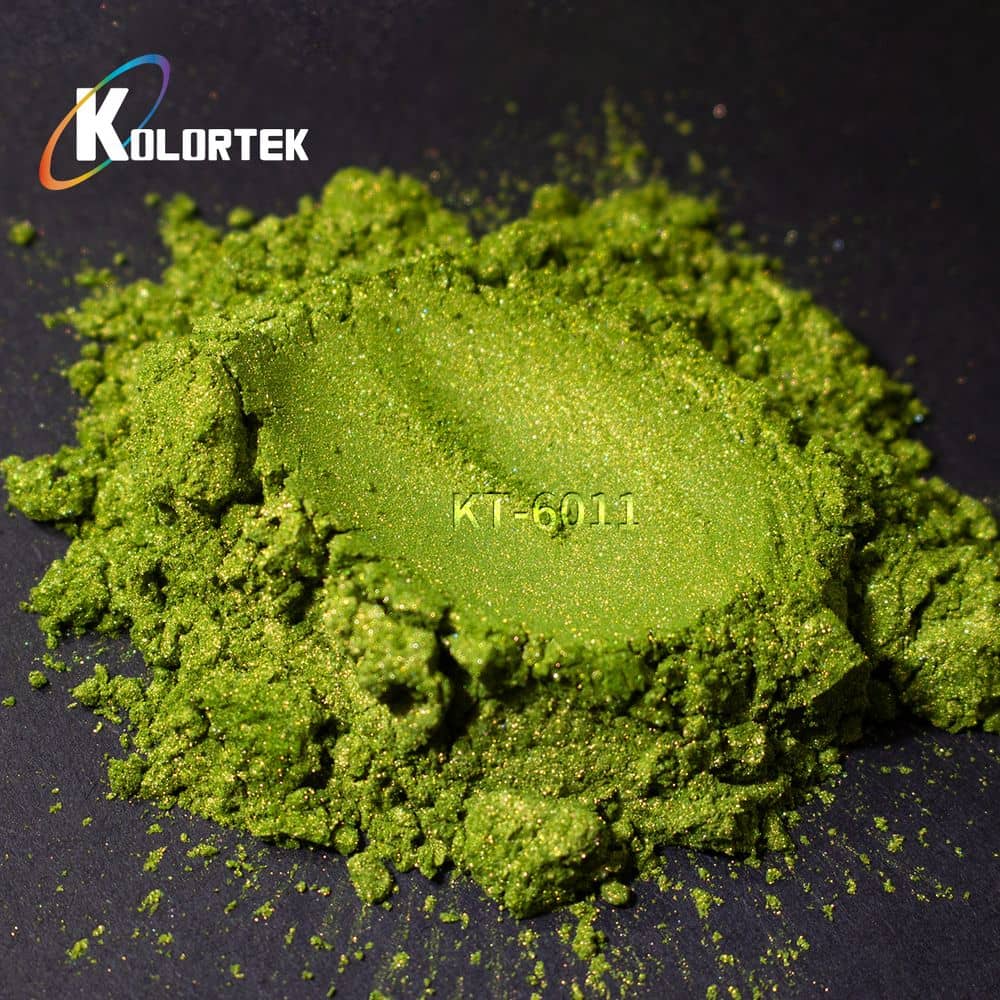
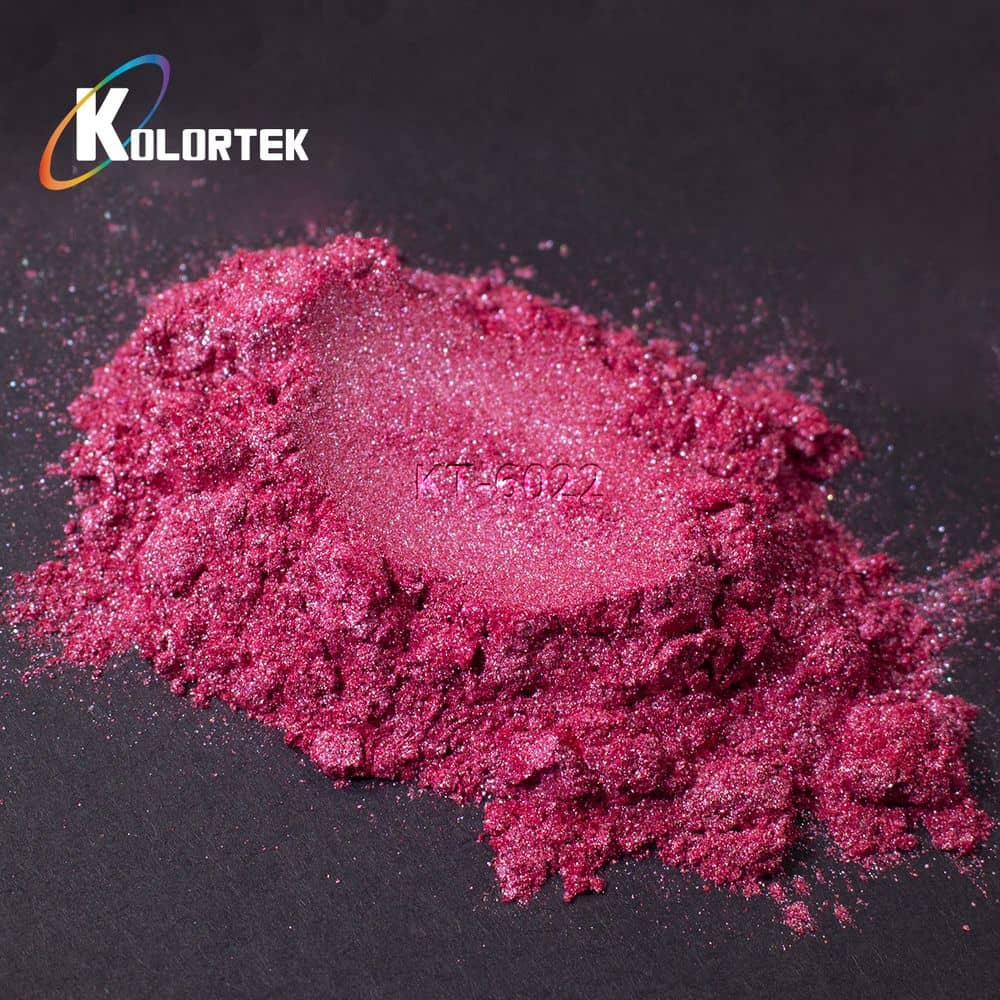
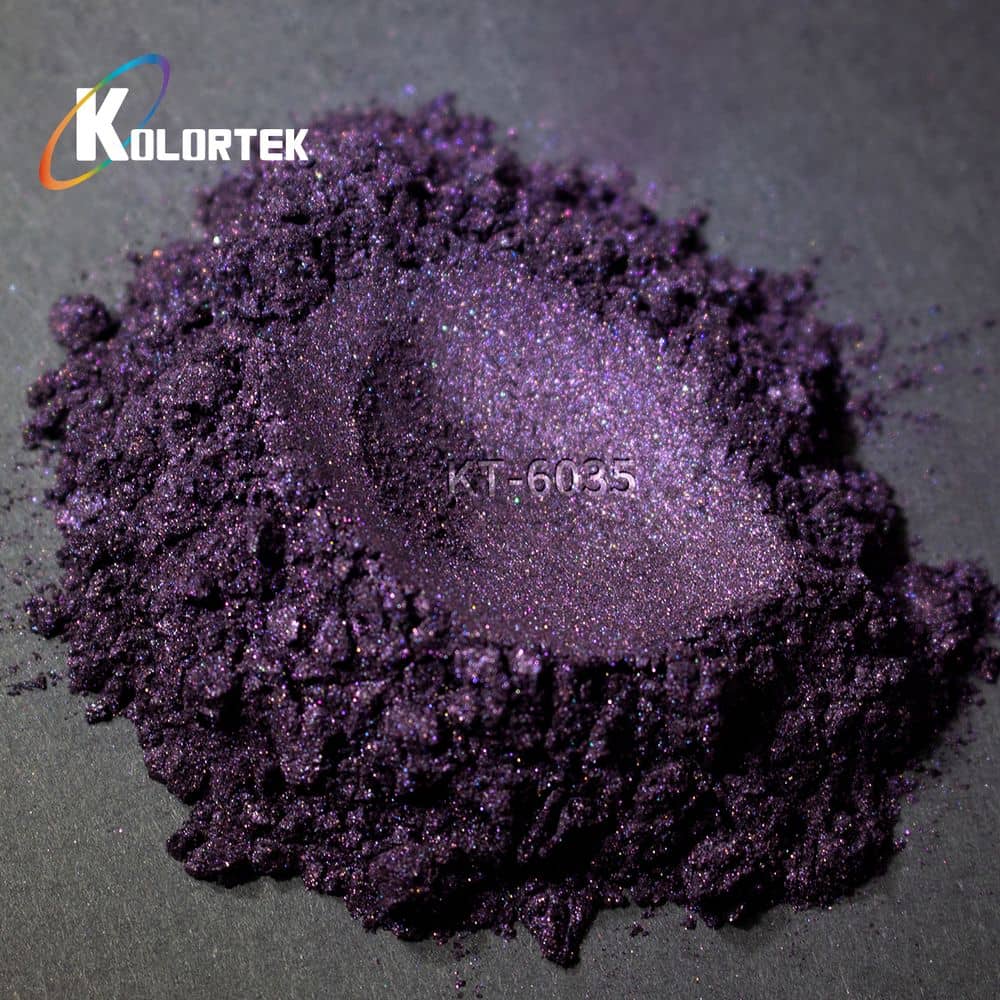
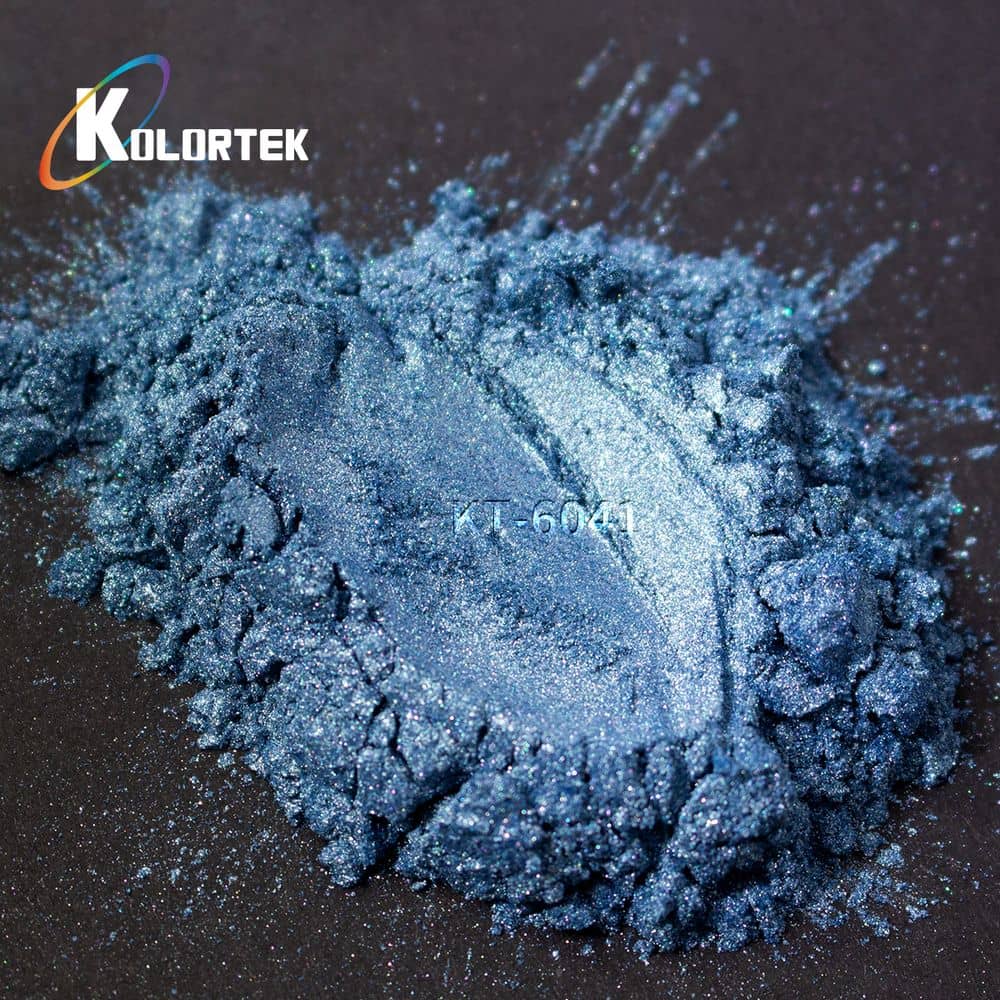
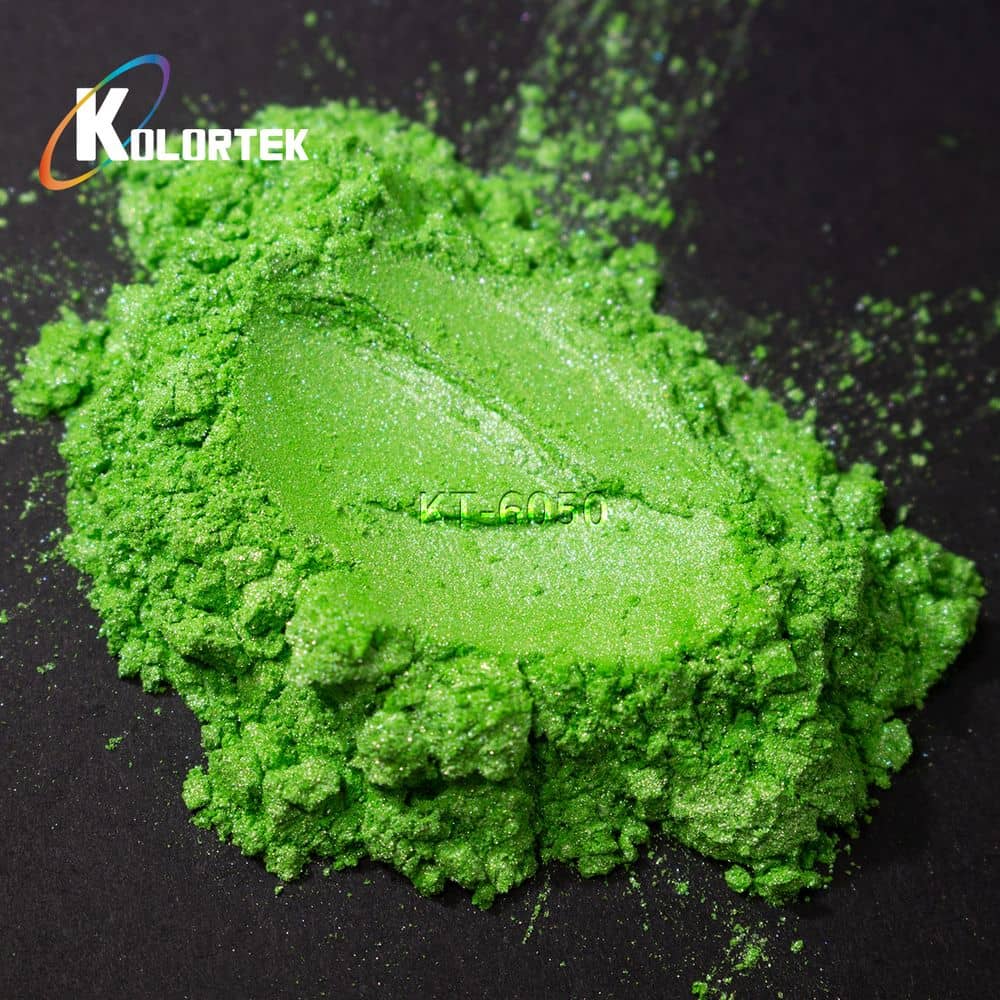
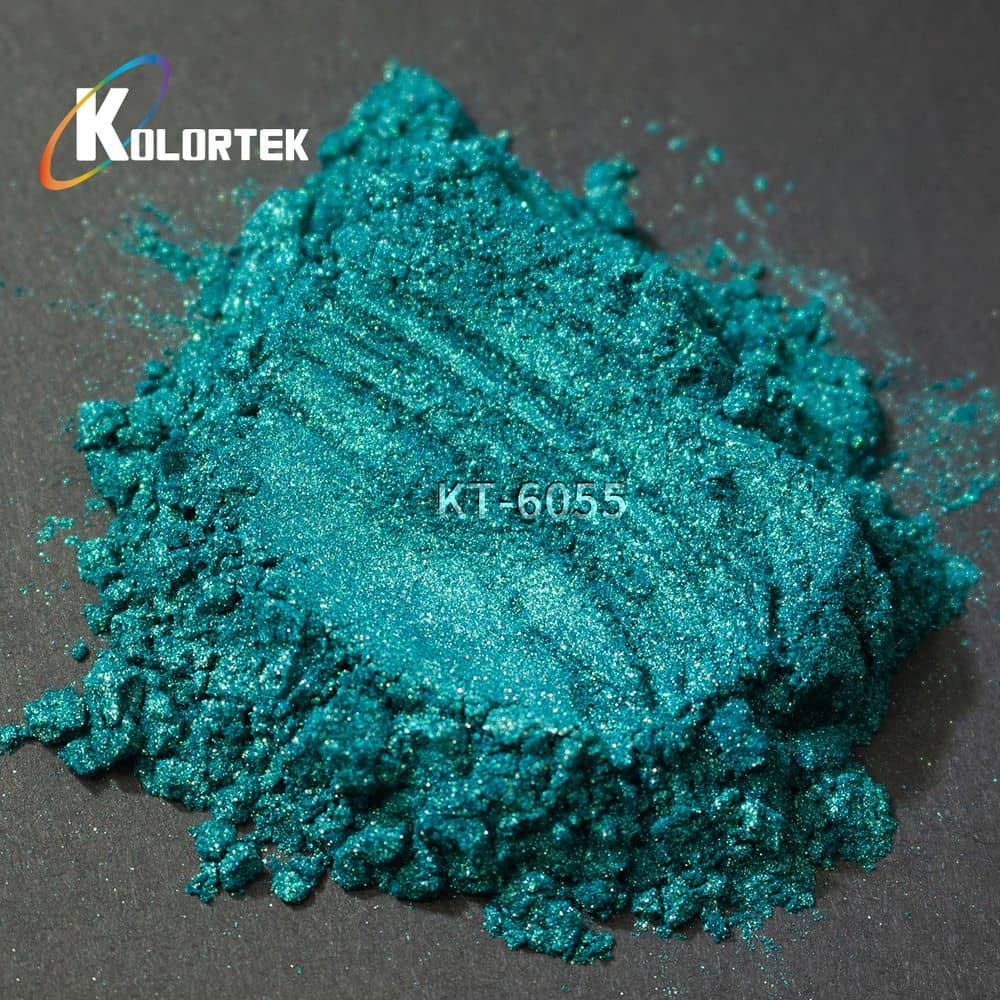
L'offre multicolore de poudre de mica colorée de Kolortek couvre des substrats de mica naturel et de mica synthétique, avec des variantes dédiées à la qualité cosmétique et des options de qualité industrielle dans plusieurs séries.
Numéro d'article :
KT-600 (Natural Mica) / KT-7000 (Synthetic Fluorphlogopite)Effet de couleur :
Red, Orange, Yellow, Green, Blue, Violet, etc.Taille des particules :
5-25μm, 10-60μm, 10-100μm, 30-150μm, etc.Marque :
Kolortek / OEMMOQ :
25 KGLes pigments nacrés sur substrat de mica sont bien connus dans ce secteur. Ce qui distingue une gamme multicolore, c'est la présence de matériaux absorbant la lumière – généralement des pigments colorés superposés à des couches de dioxyde de titane ou de dioxyde d'étain – qui produisent non seulement un éclat, mais aussi une couleur visible, saturée et profonde. On obtient ainsi un pigment qui reflète un chatoiement nacré tout en offrant une teinte définie : rouge, or, bleu, vert, violet, et bien d'autres.
L'offre multicolore de poudres de mica de Kolortek comprend des substrats de mica naturel et synthétique, avec des variantes dédiées à la cosmétique et des options de qualité industrielle, réparties en plusieurs séries. Si vos besoins couvrent différents usages finaux (cosmétiques, revêtements, impression ou artisanat spécialisé), la distinction entre ces substrats et séries est importante, tant du point de vue des performances que de la conformité.
La gamme de vernis nacrés multicolores de Kolortek est organisée en plusieurs séries. Chacune se distingue par son substrat, sa granulométrie, sa palette de couleurs et son application cible. Voici leur description :
| Série | Substrat | Application principale | Modèles typiques |
|---|---|---|---|
| Série 660000 Mica Naturel Multicolore | mica naturel (base KT-600) | Revêtements industriels, artisanat, époxy, impression | KT-6113, KT-6212, KT-6311, KT-6411, KT-6511, KT-6711, KT-6811, KT-6911, série KT-6011, série KT-66 |
| Série SynStar Multicolore 706000 | mica synthétique (fluorphlogopite) | Cosmétiques haut de gamme, revêtements, plastiques | KT-7421, KT-7415, KT-7424, KT-7419, KT-7435, KT-7405, KT-7482-7485, KT-7059, KT-7089, KT-7099, KT-7659, KT-7669, KT-7689 |
| Perle cosmétique multicolore (68800 / 699000 / 655000 / 6992000) | Mica naturel et synthétique, de qualité cosmétique | Cosmétiques décoratifs, soins personnels | KT-68824B, KT-68835, KT-68845, KT-699131, KT-699141, KT-6992011, KT-6992041, KT-655111, KT-655121, série KT-6552201, série KT-68860 |
| Série KT-67000 Two Tone | mica naturel | Revêtements, applications décoratives | KT-67204, KT-67304, KT-67505, KT-67225, KT-67325, KT-67600A, KT-67619, KT-67635R |
Au sein de chaque série, les numéros de modèle contiennent des informations utiles sur la famille de couleurs et la granulométrie. Si vous comparez différentes options, il est important de comprendre cette structure avant de demander des échantillons.
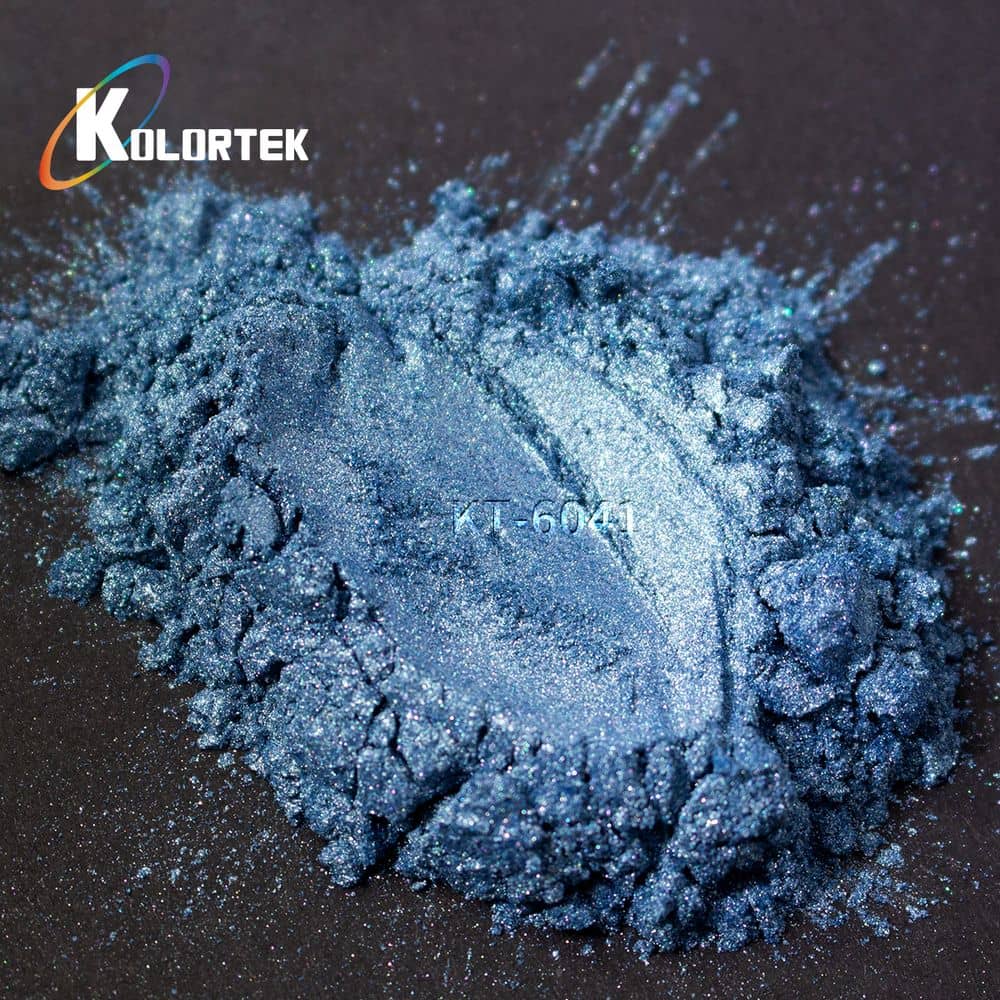
Les deux substrats produisent une poudre de mica colorée efficace, mais leur formulation et leurs profils réglementaires diffèrent.
mica naturelLa muscovite est la référence pour la plupart des applications industrielles et de nombreuses applications cosmétiques. Économique et disponible dans une large gamme de granulométries, elle offre d'excellentes performances dans les peintures, les systèmes époxy et les produits décoratifs en général. La gamme multicolore à base de KT-600 s'inscrit dans cette lignée.
mica synthétiqueLa fluorphlogopite offre une blancheur et une luminosité supérieures au niveau du substrat, une meilleure pureté chimique et l'absence de métaux lourds provenant du substrat lui-même – un critère de plus en plus important pour la conformité des cosmétiques et les formulations de beauté propres. La gamme SynStar et ses variantes à base de mica synthétique utilisent ce substrat. Le principal inconvénient réside dans son coût, sensiblement plus élevé.
Pour les applications cosmétiques, le choix dépend souvent de la réglementation en vigueur et du positionnement du produit. Pour les revêtements industriels ou les applications artisanales, le mica naturel offre généralement des performances suffisantes à un prix plus abordable.
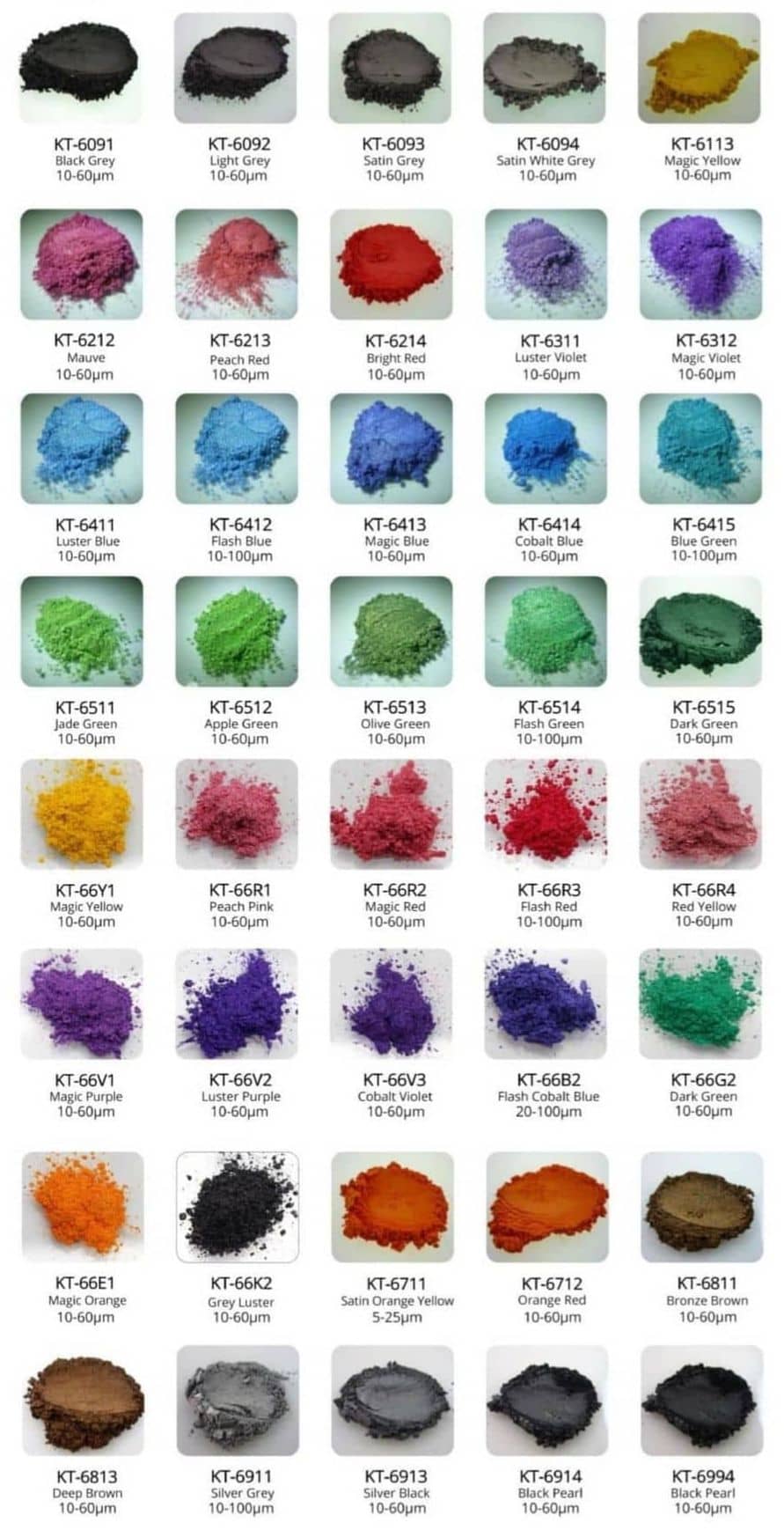
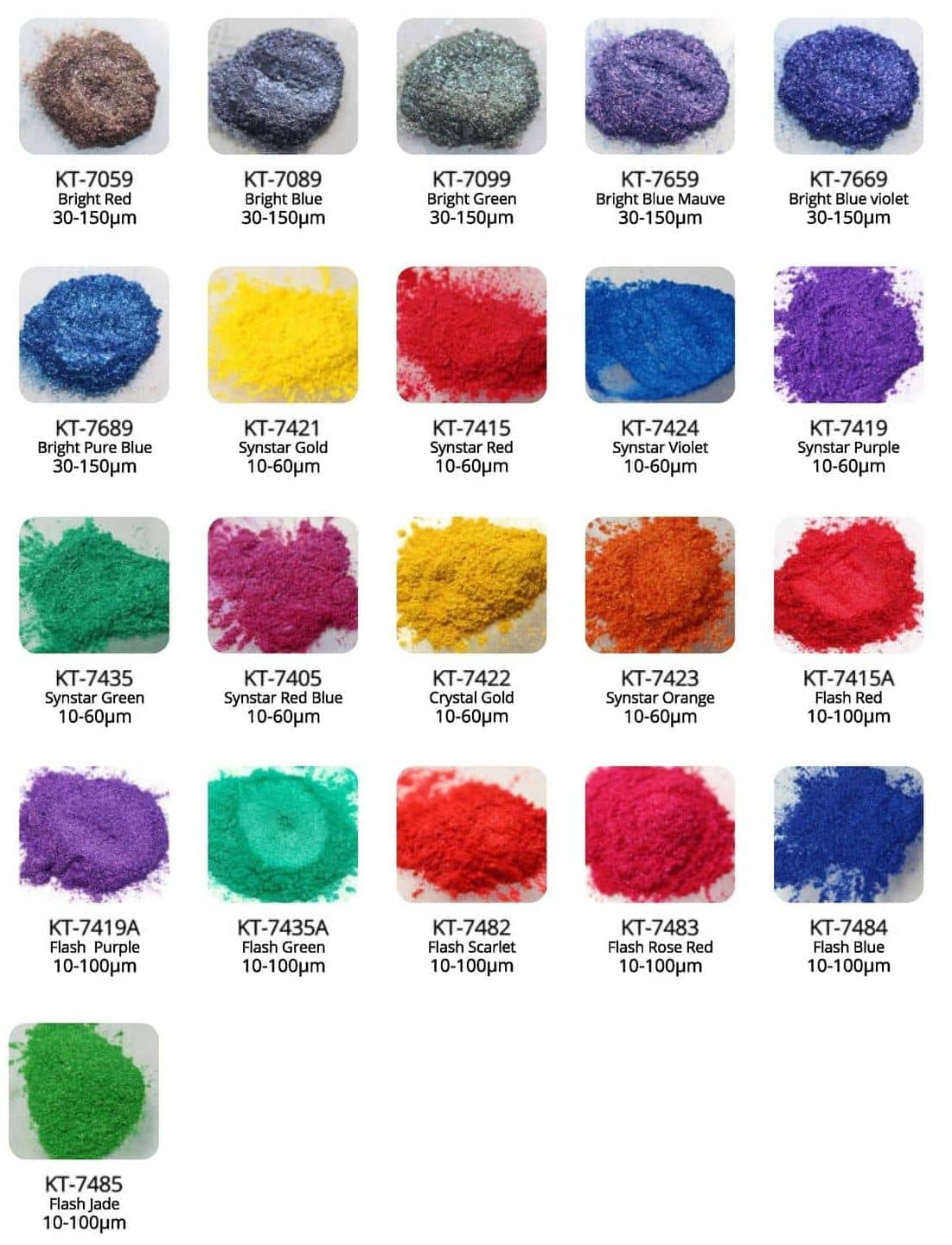
Cosmétiques décoratifs et soins personnels :Ombres à paupières, fards à joues, enlumineurs, produits pour les lèvres, nacres corporelles et savons. Cette gamme cosmétique multicolore a été spécialement conçue pour ce segment, en tenant compte de la compatibilité avec la peau, de la texture et de l'intensité des couleurs attendues des formulations cosmétiques modernes.
Produits pour les ongles :Les vernis semi-permanents et les laques à ongles bénéficient de la granulométrie fine à moyenne de cette gamme. La dispersion dans les solvants polaires est généralement simple, bien que le traitement de surface du pigment ait une incidence sur ce processus ; vérifiez la qualité spécifique.
Peintures et revêtements architecturaux :Les pigments de mica multicolores sont couramment utilisés dans les revêtements muraux décoratifs, qu'ils soient à base d'eau ou de solvant. La gamme Two Tone offre un changement de couleur selon l'angle de vue, idéal pour les murs d'accent et les finitions spéciales.
Revêtement de sol et comptoir en époxy / marbre artificiel :Pour un effet scintillant visible, on privilégie ici les granulométries plus grossières (généralement de 40 à 200 µm). Les pigments sont chimiquement stables dans les systèmes époxy et conservent leur couleur dans des conditions de polymérisation classiques.
Impression:Pour l'impression sérigraphique ou héliogravure, il est nécessaire d'utiliser des particules fines (généralement inférieures à 25 µm) afin d'éviter le colmatage et d'assurer un dépôt régulier. Les modèles à granulométrie fine de la série KT-6000 sont particulièrement adaptés à cet usage.
Artisanat et bricolage :Moulage de résine, fabrication de bougies, travaux manuels en papier. La large gamme de couleurs et la facilité de dispersion font de la série standard de mica naturel multicolore un choix pratique pour ces applications.
Les performances d'une poudre de pigment mica de cette catégorie dépendent de la qualité du support, de l'uniformité du revêtement et de la nature des pigments utilisés. Voici quelques points importants à retenir pour les formulateurs :
Dans le secteur cosmétique, la conformité des ingrédients est essentielle. La gamme de cosmétiques multicolores Kolortek est fabriquée selon des contrôles de qualité rigoureux, conformes aux exigences des principaux marchés. La documentation, incluant les certifications ISO, REACH, SGS, TÜV SÜD et casher, est disponible sur demande. Contactez-nous.contact@kolortek.compour les certifications spécifiques pertinentes pour votre marché.
En pratique, les acheteurs s'approvisionnant pour les marchés européens des cosmétiques ou américains des soins personnels doivent préciser l'usage final dès leur demande d'informations, afin de confirmer la qualité et la documentation appropriées. Toutes les qualités de la gamme multicolore ne sont pas certifiées cosmétiques ; seules les séries 68800, 699000, 6992000, 655000 et 68860 ont été spécifiquement développées pour ce segment.
Quelques points pratiques qui reviennent régulièrement :
Niveaux de chargement :Les concentrations typiques varient de 1 à 5 % dans les cosmétiques et les encres, et de 5 à 15 % dans les revêtements et les systèmes époxy. Des concentrations plus élevées sont possibles, mais le rendement diminue et la dispersion devient plus critique.
Traitement de surface :Certaines qualités de la gamme cosmétique bénéficient de traitements de surface (silicone, silane ou autre) pour améliorer le toucher ou la dispersion dans les phases huileuse/aqueuse. Si cela est pertinent pour votre formulation, veuillez le préciser ; des versions non traitées et traitées peuvent être disponibles pour une même couleur.
Compatibilité:Généralement compatible avec la plupart des liants, résines et bases cosmétiques. Aucune interaction significative avec les absorbeurs UV, épaississants ou conservateurs courants. Toutefois, si vous utilisez un système réactif ou des solvants agressifs, effectuez des tests de compatibilité spécifiques à votre qualité.
Correspondance des couleurs :L'aspect visuel des pigments de mica est fortement dépendant de l'orientation. Les mesures de couleur sous un seul angle d'éclairage peuvent être trompeuses ; la spectrophotométrie multi-angle (par exemple, 45°/15°, 45°/45°, 45°/110°) donne une image plus précise du comportement du pigment dans un film fini ou un comprimé.
Q : Quelle est la différence, en termes pratiques, entre la série multicolore en mica naturel et la série multicolore en mica synthétique (SynStar) ?
A: Les micas naturels offrent une gamme de tailles de particules plus étendue et un coût inférieur, ce qui en fait le choix privilégié pour les revêtements industriels, les époxys et de nombreuses applications cosmétiques. Le mica synthétique produit un substrat plus brillant et plus pur chimiquement, un atout pour les cosmétiques haut de gamme, les marchés soumis à des réglementations strictes et les applications où la blancheur du substrat influe sur le rendu final des couleurs.
Q : Ces pigments peuvent-ils être utilisés dans des systèmes à base d'eau ?
R : Oui. La plupart des grades de cette gamme sont compatibles avec les revêtements à base d'eau, les bases cosmétiques aqueuses et les formulations de savon en phase aqueuse. Des agents mouillants ou humectants peuvent améliorer la dispersion initiale dans les systèmes aqueux à haute viscosité. Certains grades avec traitements de surface hydrophobes peuvent nécessiter une méthode d'incorporation différente ; veuillez consulter la fiche technique du produit.
Q : Comment choisir la taille des particules pour mon application ?
A : De manière générale, les granulométries fines (5 à 25 µm) conviennent aux encres d'imprimerie, aux fonds de teint et aux poudres compactes ; les granulométries moyennes (10 à 60 µm) aux fards à paupières, aux produits pour les lèvres, aux cosmétiques liquides et aux revêtements standards ; et les granulométries grossières (60 à 500 µm) aux sols époxy, aux plans de travail et aux techniques de loisirs créatifs à couche ouverte où l'effet scintillant est recherché. En cas de doute, demandez un échantillon de deux granulométries différentes et évaluez-le dans votre matériau.
Q : Existe-t-il une documentation disponible concernant la conformité des produits cosmétiques (REACH, données de sécurité, INCI) ?
R : Oui, pour la gamme cosmétique. La documentation disponible varie selon la gamme et le marché de destination. Veuillez nous contacter directement en précisant votre modèle et votre marché cible pour confirmer les documents disponibles.contact@kolortek.com.
La gamme nacrée multicolore offre un large éventail de couleurs pour de nombreux supports et granulométries. Pour déterminer rapidement la qualité la plus adaptée, veuillez préciser votre application, le type de système, la granulométrie souhaitée et les éventuelles exigences de conformité.
Des échantillons, des fiches techniques, des fiches de données de sécurité et des documents de conformité sont disponibles sur demande. Contactez l'équipe technique à l'adresse suivante :contact@kolortek.compour commencer.
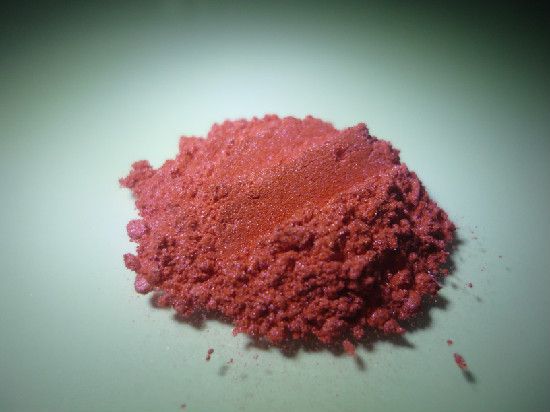
KT-6025 est unPigment nacré naturel mica rouge véritable dans le Gamme de tailles de particules de 10 à 60 μm — un mica coloré de la série KT-6000 Multicolore, obtenu par dépôt d'une couche de colorant rouge absorbant la lumière sur un substrat de mica recouvert de TiO₂. Il en résulte un effet visuel à double effet : réflexion blanc argenté à l'angle de vision spéculaire et une couleur d'absorption rouge saturée aux angles latéraux et diffus. À 10–60 μm, le KT-6025 convient aux revêtements, vernis à ongles, applications décoratives, savons et systèmes époxy où un effet nacré rouge net et à haute saturation est requis sur une variété de supports.
EN SAVOIR PLUS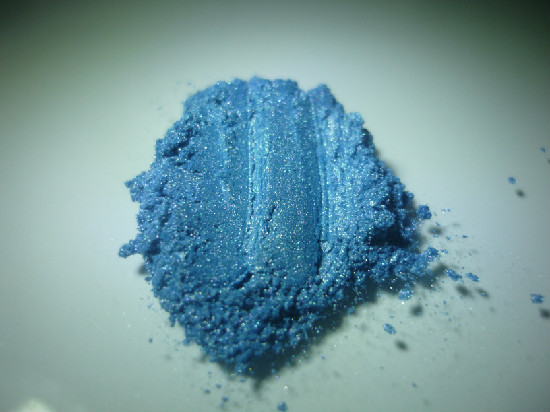
KT-6040 est unPigment nacré naturel de mica bleu océan— une qualité de mica coloré de la série multicolore KT-6000 qui produit une riche couleur d'absorption bleu océan aux angles de vision latéraux et diffus, avec unréflexion spéculaire blanc argentéà l'angle de réflexion directe. À la normeTaille des particules : 10 à 60 µmElle offre un éclat bleu nacré équilibré, idéal pour les revêtements, les vernis à ongles, les savons, les systèmes époxy et les applications décoratives. Disponible en plusieurs granulométries (de 5 à 25 µm pour les encres d'imprimerie et les cosmétiques de précision, et de 30 à 150 µm pour un effet scintillant intense dans les résines époxy et les résines artisanales), Ocean Blue s'adapte à une large gamme d'applications et d'effets visuels recherchés.
EN SAVOIR PLUS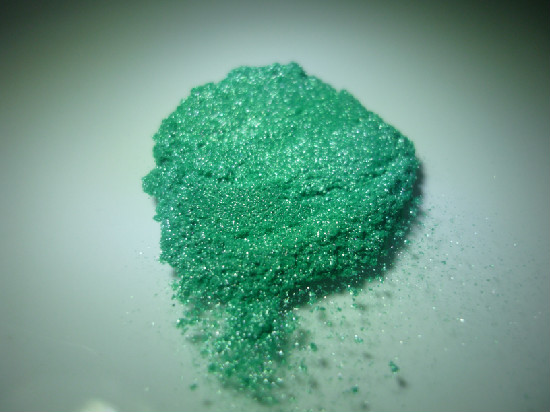
KT-6057 est unPigment nacré naturel mica vert flashdans leGamme de tailles de particules de 10 à 100 μm— La granulométrie verte à gros grains de la série KT-6000 Multicolore est optimisée pour les applications exigeant un éclat vert individuel visible, associé à la réflexion spéculaire argentée caractéristique de la série. La distribution granulométrique 10–100 µm couvre à la fois la fraction fine (contribuant à la couverture du fond vert nacré) et la fraction grossière (contribuant à la visibilité des points d'éclair individuels), produisant ainsi une surface verte nacrée à l'éclat prononcé, que la granulométrie standard 10–60 µm ne permet pas d'obtenir à charge équivalente. Les revêtements de sol époxy, les peintures décoratives, les vernis à ongles et les résines artisanales constituent les principaux domaines d'application.
EN SAVOIR PLUS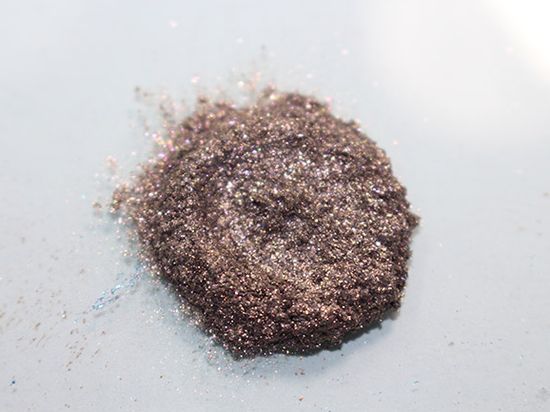
KT-7059 est unPigment nacré de mica synthétique rouge vifdans le grossierGamme de tailles de particules de 30 à 150 μm— Un mica coloré à base de fluorphlogopite de la série KT-7000, offrant un éclat rouge pailleté intense et une réflexion spéculaire blanc argenté. Sa granulométrie de 30 à 150 µm le positionne clairement dans la catégorie des micas à effet pailleté : les reflets individuels des plaquettes sont parfaitement visibles à distance normale, ce qui le rend idéal pour les sols époxy, les créations en résine, les loisirs créatifs, les vernis à ongles et les revêtements décoratifs où l'effet rouge pailleté maximal est recherché. Le substrat synthétique de fluorphlogopite offre une pureté supérieure et contient moins d'inclusions minérales sombres que le mica naturel.
EN SAVOIR PLUS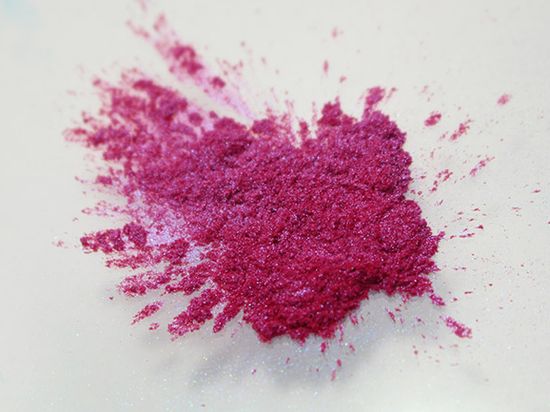
KT-7405 Synstar Rouge Bleu est unpigment nacré de mica fluorphlogopite synthétiquedans leGamme de tailles de particules de 10 à 60 μmqui produit une double couleur d'absorption rouge-bleue ainsi qu'une réflexion spéculaire blanc argenté — un niveau de couleur complexe qui se situe en dehors de la gamme monochrome standard de la série multicolore KT-7000.
EN SAVOIR PLUS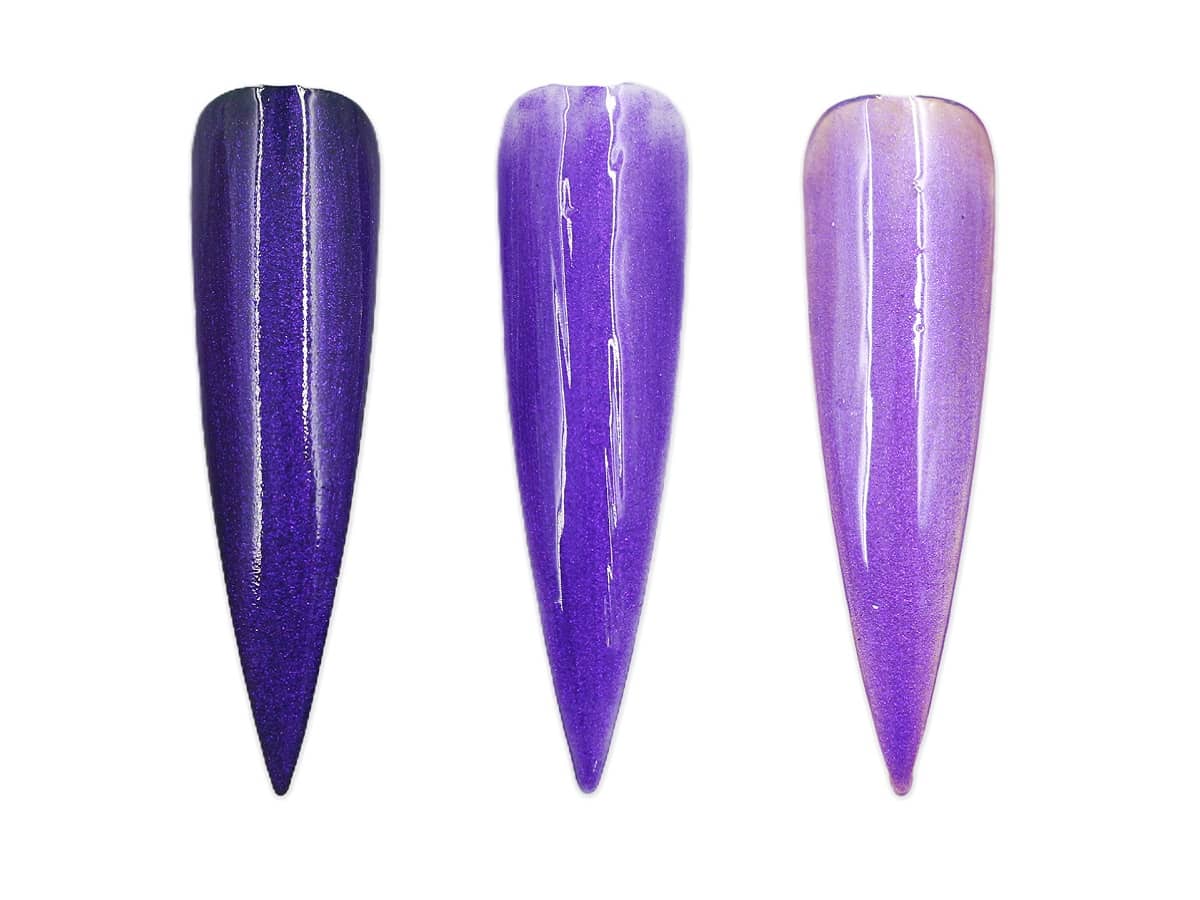
KT-7419A est unPigment nacré synthétique de mica fluorphlogopite Flash Purpledans leGamme de tailles de particules de 10 à 100 μm— la variante flash plus grossière du KT-7419 Synstar Purple, conçue pour les applications où un scintillement violet individuel visible des plaquettes est requis en plus de la couverture nacrée de fond.
EN SAVOIR PLUS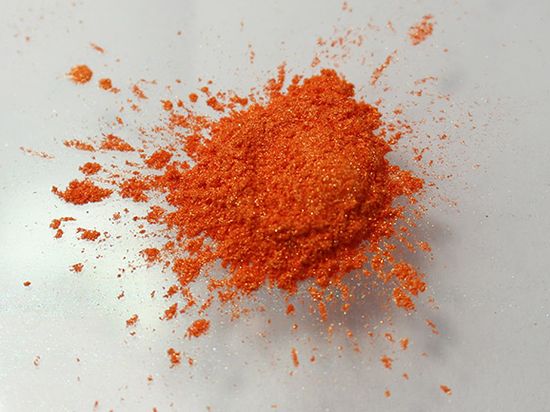
KT-7423 Synstar Orange est unpigment nacré de mica fluorphlogopite synthétiquedans la normeGamme de tailles de particules de 10 à 60 μmqui offre une couleur d'absorption orange chaude aux angles de vision latéraux et diffus, ainsi qu'une réflexion spéculaire blanc argenté à l'angle direct.
EN SAVOIR PLUS
L'offre multicolore de poudre de mica colorée de Kolortek couvre des substrats de mica naturel et de mica synthétique, avec des variantes dédiées à la qualité cosmétique et des options de qualité industrielle dans plusieurs séries.
EN SAVOIR PLUS
 Français
 English
 Deutsch
 Русский
 Español
 Português