
Laissez un message
Si nos produits vous intéressent et que vous souhaitez en savoir plus, veuillez laisser un message ici, nous vous répondrons dans les plus brefs délais.
Edible Glitter for Cakes: Which Market Sets the Grade
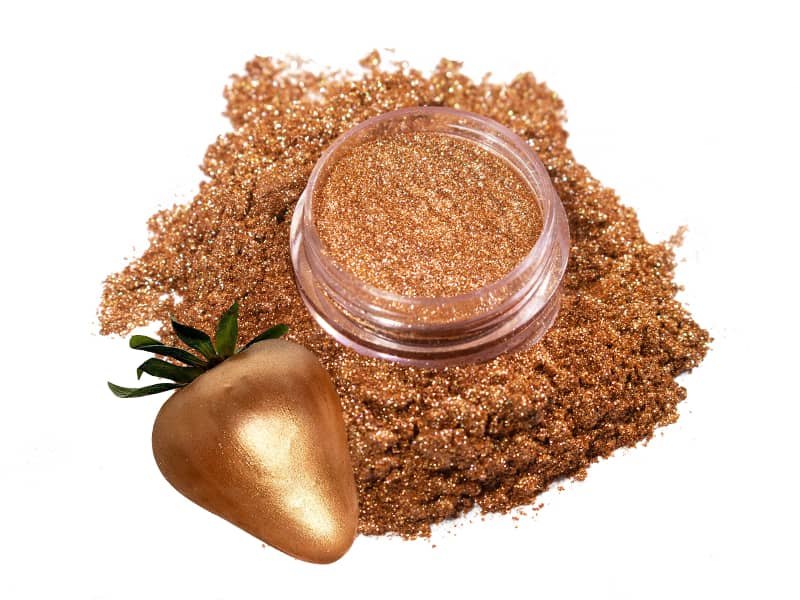
An edible glitter is two layers: mica carrier E555 under a TiO2 or iron oxide coating. The coating decides which market accepts it. The EU withdrew one in 2022.
Edible Glitter for Cakes: Which Market Sets the Grade
An edible glitter for cakes is not one material with one approval. It is a mineral carrier — mica, E555 — plus a coating of titanium dioxide (E171) or iron oxide (E172), and the coating determines the relevant regulatory identity. In the European Union one of those coatings lost its authorisation on 7 February 2022. In the United States the same pigment is permitted up to 1.25% in named food categories. Which market you ship to decides the answer, not which colour you ordered.
The shine is not a colour. It is a structure. A pearlescent pigment is a flat mineral platelet with a thin coating grown on its faces, and the light that leaves it has bounced off the top of the coating and off the top of the platelet beneath. The gap between those two reflections sets which band of the spectrum arrives in phase at your eye. Change the viewing angle and you change the path length, so the same powder reads one colour face-on and another at a slant.
Which means colour is not tuned by swapping pigments — it is tuned by changing how thick the coating is grown. And that coating is not a finishing touch. It determines the relevant additive identity of the material. A regulator looking at the same platelet sees a carrier underneath and a colorant on top, so both the carrier and the coating should be identified in the specification. Optics and compliance are examining the same layer.
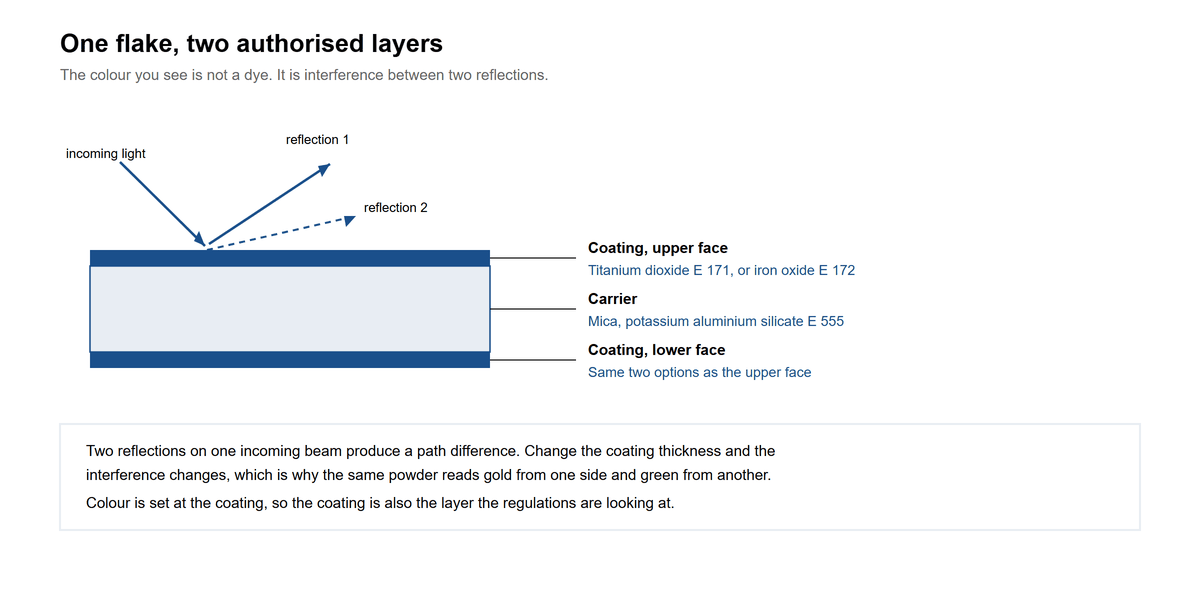
Fig. 1 — Cross-section of a single platelet: the thin coating that sets the colour, the thick mineral carrier beneath it, and the two reflection paths that produce the interference effect.
A pearlescent pigment for food is two materials stacked, and each one has its own number. The bottom layer is mica — potassium aluminium silicate, E555 in the EU register. JECFA's description is unusually precise about what mica is permitted to be: it is not marketed as such, but only when coated with titanium dioxide and/or iron oxide. Mica alone is not a colorant and is never asked to act as one. Its function is to be a flat, inert substrate for something else.
The top layer is that something else. Titanium dioxide is E171. Iron oxide is E172. Whichever of the two is grown onto the platelet is what actually shifts the light, and therefore what the rules actually address.
Two numbers govern the stack, and they answer different questions. In the EU, E555 is permitted as a carrier for E171 and E172 at a maximum of 90% relative to the pigment — a ratio between the carrier and the material it carries, not a share of the finished powder in the drum. In the US, mica-based pearlescent pigment (mica with titanium dioxide) is permitted in cereals, candy and frosting, gelatin desserts, hard and soft candy including lozenges, nutritional supplement tablets and capsules, and chewing gum, at a maximum of 1.25%. JECFA relays the same ceiling and proposes a working range of 0.02%–1.25% across candy, chewing gum and beverages.
| The layer | What it is | What it does to the rules |
|---|---|---|
| Mica carrier | Potassium aluminium silicate, E555 | Not a colorant; permitted only as the substrate beneath a coating |
| Titanium dioxide coating | E171 | The additive whose EU authorisation was withdrawn; still permitted in Great Britain and the US |
| Iron oxide coating | E172 | A permitted colourant in its own right, with its own category limits |
| FD&C colourant route | FD&C aluminium lake | A separate permission entirely; relevant documentation is provided on request |
| Combined pigment | Mica plus coating | Limits are expressed against pigment, not against finished product weight |
Three points worth carrying into a spec review
The practical consequence for a purchase order is that "food grade pearlescent pigment" describes a format, not a permission. The permission lives in the top layer, and that layer has to be identified in writing. When you ask a supplier what a powder is, the answer that travels between your QA department and your customer's is the E-number of the coating plus the ratio the carrier sits at. Anything vaguer will not survive the first spec review. The current range, with coating systems stated per grade, is listed under food-grade pearlescent pigments.
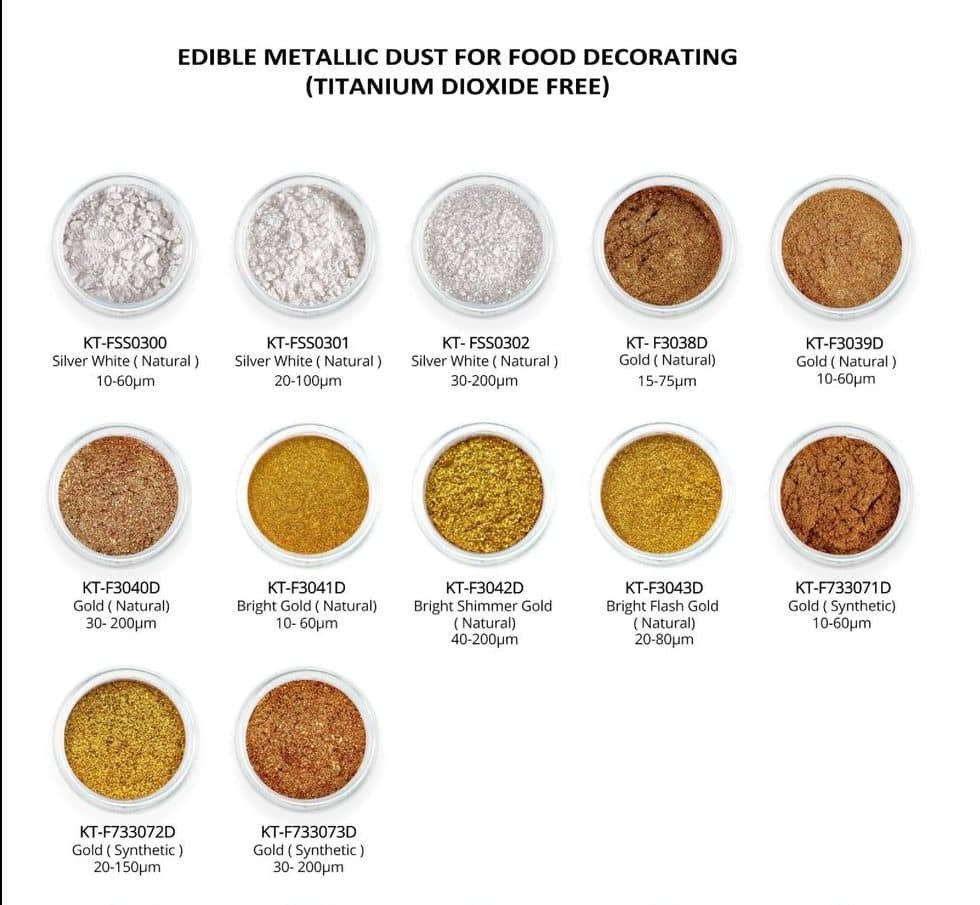
Fig. 2 — A colour card for one pigment range: same carrier, built without titanium dioxide. Which coating each grade uses is documented on the individual product record, not on the card.
Commission Regulation (EU) 2022/63 was adopted on 14 January 2022, took effect on 7 February 2022, and closed its transition period on 7 August 2022. From that last date, food placed on the EU market cannot contain titanium dioxide as a food additive. Nothing in that sentence bans a pigment. It removes one additive's entry from a register.
The basis was EFSA's opinion of 6 May 2021, and the wording is routinely overstated. EFSA concluded that E171 could no longer be considered safe as a food additive because an acceptable daily intake could not be established and genotoxicity could not be ruled out. "Could not rule out" is not "demonstrated harm." A buyer who repeats the stronger version to a customer is exposed the moment that customer opens the opinion and reads the sentence for themselves.
The scope is food, not the substance. Titanium dioxide remains available in medicinal products through the EMA route — the clearest illustration that 2022/63 removed an additive from the food register rather than prohibiting a material.
For a decorator's powder the consequence is structural rather than moral. A pearlescent pigment built without titanium dioxide is not an upgraded version of the same article; it is a different technical route, one that sustains the interference effect by coating the mica with another mineral. On that route the question to put to a supplier is not how it looks but which coating the material is, and which document says so. Grades on that route are grouped under titanium dioxide free edible dust.
Same drum. Same certificate of analysis. Three different answers.
Great Britain and the United States continue to permit titanium dioxide as a food additive. That is not a drafting slip — it is one EFSA opinion read to different conclusions by different jurisdictions. A buyer who assumes the answer tracks how strict a market feels will be wrong in both directions, and will usually be wrong in the direction that costs a shipment.
| EU | UK (excl. Northern Ireland) | US | |
|---|---|---|---|
| E171 status | Authorisation withdrawn; effective 7 Feb 2022, transition ended 7 Aug 2022 | Permitted as a food additive | Permitted as a food additive |
| Pearlescent route | Coating without titanium dioxide | Titanium dioxide coated mica available | Titanium dioxide coated mica, 1.25% maximum in the listed categories |
| What the buyer must hold | Composition statement naming the coating and its E-number; specification against Annex III of Reg. 1333/2008 | Composition statement; confirmation of the additive entry being relied on | Composition statement; category and use level expressed against the US permission |
The hard version of this is that a single certificate of analysis supports both shipments and settles nothing about admissibility. A COA tells you a batch matches a specification. It does not tell you whether the specification is legal where the pallet is going. That is a separate document and a separate question.
So the market question has to be asked before the colour question, and asked precisely enough to be answerable. A buyer who cannot state the destination, the coating identity, the permitted category and the maximum use level from memory is not ready to place the order — and will not be able to defend it afterwards.
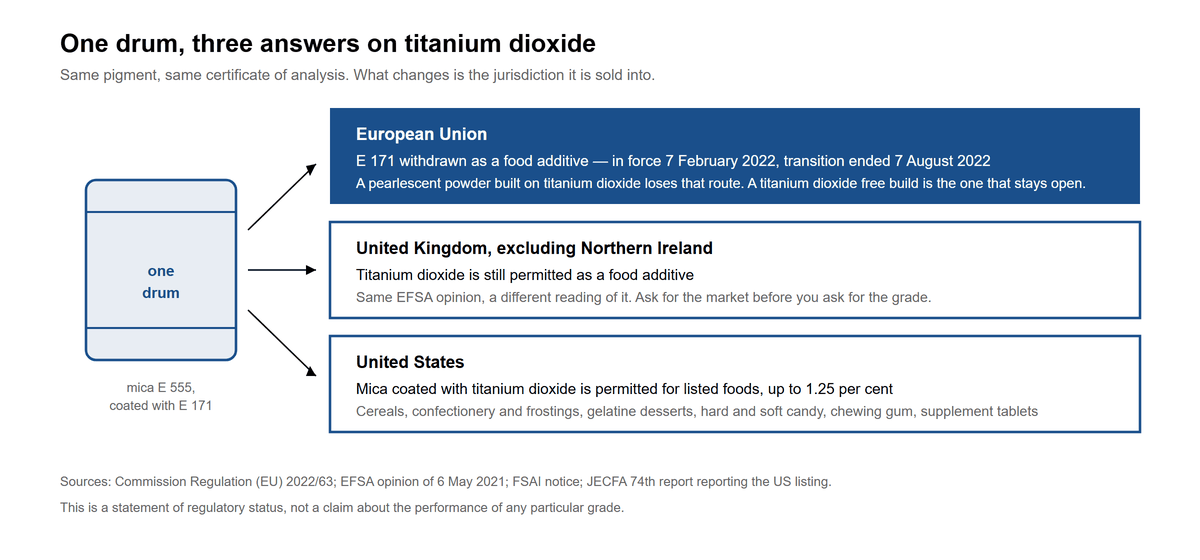
Fig. 3 — One drum, three regulatory states: the same coated pigment entering the EU, Great Britain and the US under three different answers on the same additive.
A carrier list runs long. Behaviours do not. What a powder must do is set by one variable: the physical condition it lands in.
Dusted on a surface. Cupcakes, macarons, chocolates, biscuits, fruit, sugar eggs. The particle stays where it is put, and the requirement is that it stays visible — that it does not pull moisture and dull down, and that it is coarse enough to return a distinct sparkle rather than a flat sheen. The same band dusted onto a wet icing and onto a dry shell will not read the same, and the difference is the substrate, not the pigment.
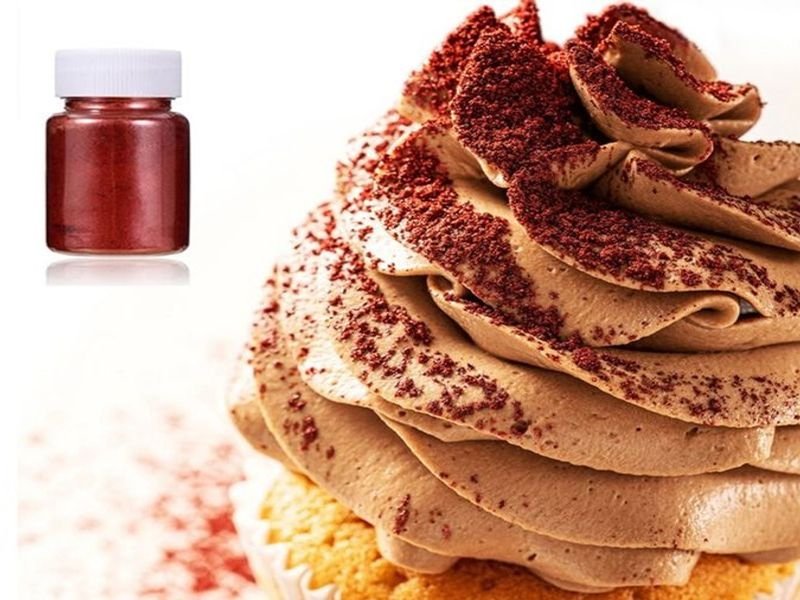
Fig. 4 — Surface application: the powder sits on a set icing and has to hold its sparkle against the moisture underneath it.
Worked into a mass. Frosting, fondant, tempered chocolate. Here the particle is buried rather than exposed, and the requirements shift to heat tolerance and colour bleed. Dark chocolate is tempered between 29 and 32 °C — that is published process knowledge, not a figure from our bench, and it is the reason a powder specified for surface work is not automatically suitable for a mass.
Poured into a liquid. Champagne, cocktails, soft drinks, jelly. The question becomes suspension against settlement. Density difference decides whether a particle sinks, and carbonation lifts powder into the foam whether you wanted it there or not. A finer band reads as a moving light through the glass and a coarser band as discrete points; that is an optical description of particle size, not a claim about how long anything stays in suspension.
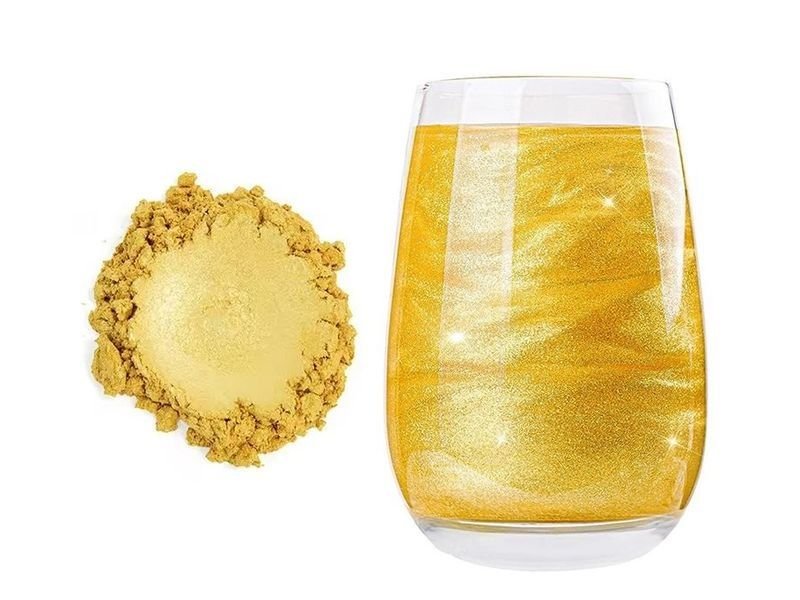
Fig. 5 — Liquid application: the same pigment dispersed in a glass, where density difference and carbonation decide what the customer sees.
So "food grade" does not answer the question a decorator actually has. The question is what the powder has to survive, and an honest specification names the condition before it names the grade. Grades organised by particle band are listed under edible luster dust.
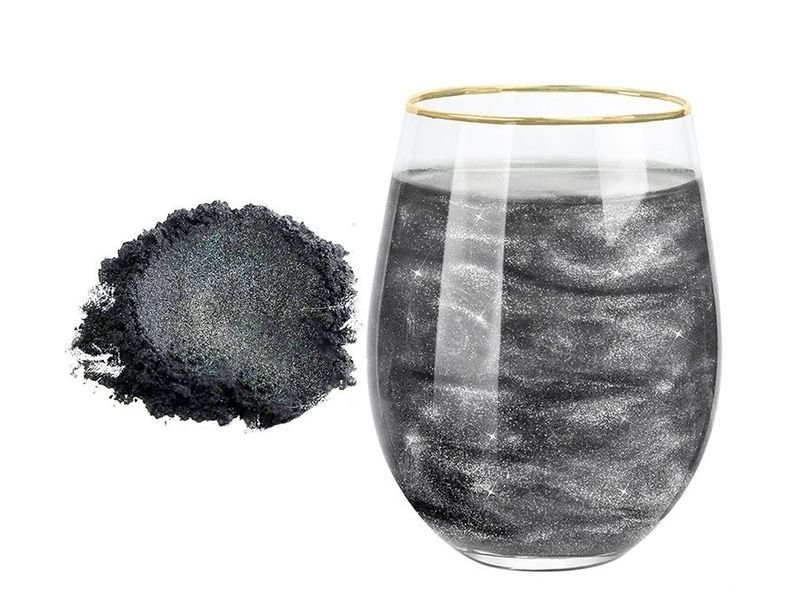
Fig. 6 — The same behaviour in a dark system, where a light-toned pigment reads as points of light against the liquid rather than as a colour change.
UK local authority food hygiene enforcement guidance sorts decorative powders into three tiers, and the tiers are about documentation, not appearance.
Edible. Composed of permitted food additives, labelled with the relevant E-numbers, and carrying a statement such as "For food", "Restricted use in food" or "Edible lustre". The label is doing the work: it declares the additive identity that makes the edible claim checkable.
Food contact. Tested against the food contact materials framework (the EU 10/2011 system), labelled "For food contact". It may touch food but must not be eaten, and it has to be removed before the food is served. Contact is a different permission from consumption, and the two are not interchangeable in either direction.
Neither. Labelled "non-toxic" and nothing further, with no migration testing behind it. On this reading it should not be in contact with food at all — the claim is about handling, not about ingestion.
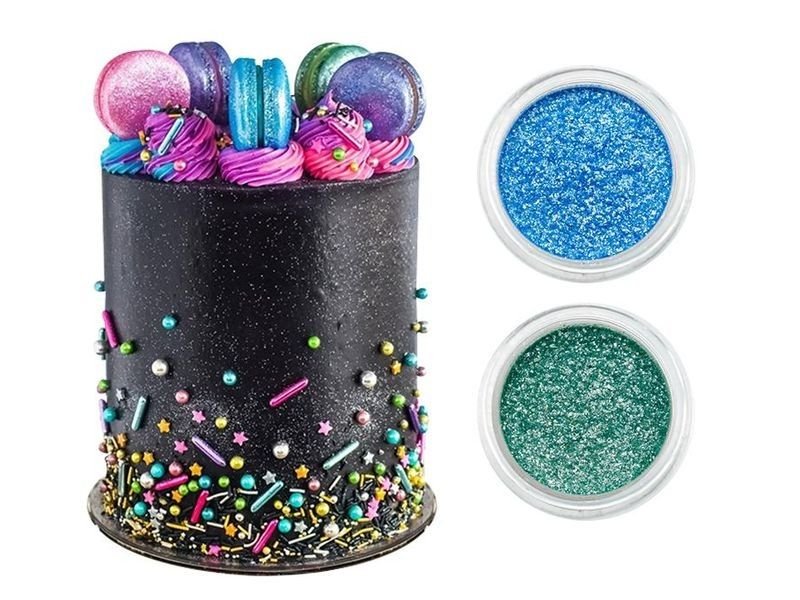
Fig. 7 — A finished decorated surface, the point at which the tier the material was documented into stops being a paperwork question.
FDA's operational test arrives at the same place from another direction: a product whose only statement is "non-toxic" or "for decorative purposes only", carrying no ingredient list, should not be placed directly on food, and inedible decorations should be taken off before the food is served. FDA also lists mica-based pearlescent pigments and FD&C colours among the ingredients commonly found in edible glitter — which is the same two-layer structure described earlier, named by the authority that regulates it.
For a B2B buyer the consequence is uncomfortable and worth stating plainly. In this framework the commercial baker is the food manufacturer. The duty to place only permitted additives on the market, and to label them correctly, belongs to the business that hands the finished cake to a customer — not to the company that sold the jar. That is why a supplier's sentence "food grade" is worth less than the document behind it, and why the question worth asking is which of the three tiers a material is documented into.
Compressed to one line: when someone tells you a powder is food grade, they may be describing the third tier. The other route into a coloured decoration runs through FD&C colourants — FD&C aluminium lakes, with relevant documentation provided on request.
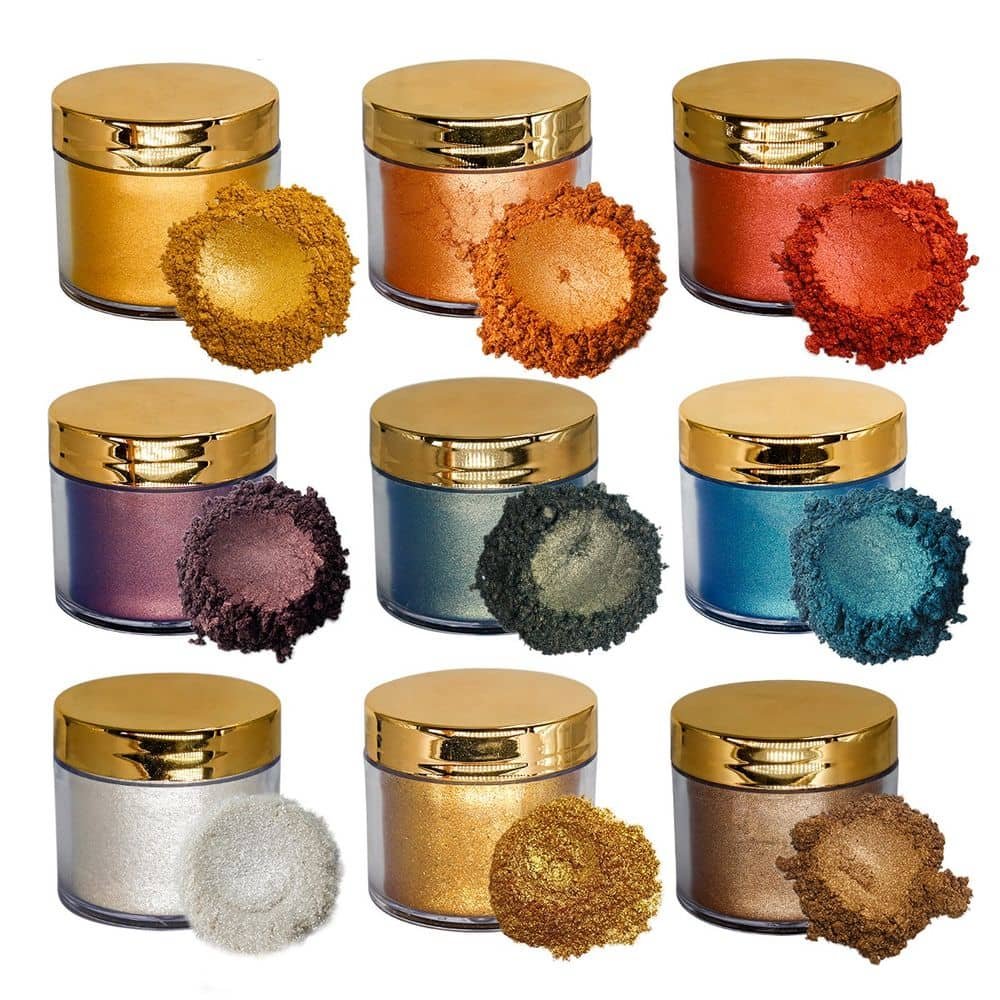
Fig. 8 — The supply form. The same food-grade material arrives as loose powder in a lined drum and, at the small end, in jars; neither tells you which coating it carries.
Ask where it is going before you ask what colour it is. Everything downstream — the coating, the category, the use level, the paperwork — is a function of that one answer, and reversing the order produces a specification that has to be rebuilt when the destination changes.
Four items decide whether a shipment clears, and all four are answerable in writing before anything moves: the destination market, stated precisely enough that "the UK" is not ambiguous; the use condition, meaning dusted, worked into a mass, or poured into liquid; the carrier system, meaning which coating sits on the mica and at what ratio to the pigment; and the document package your own customer will accept at goods intake. A quotation built without those four is a quotation for the wrong material.
Is mica allowed in food?
Yes, but in the role of a carrier. E555 is permitted as the substrate beneath titanium dioxide or iron oxide, and its permission is bound to what it carries. Stated on its own, "mica is edible" is incomplete — the coated pigment is what the rules permit, not the bare mineral.
Can I use cosmetic grade mica on a cake?
Neither route certifies itself. Cosmetic grade is not automatically food grade, and it is not automatically food contact grade either. What is needed is the document that matches the use you intend, naming the coating and the framework the material was assessed against.
Does titanium dioxide free mean it is safer?
No. It means the powder is on a route that contains no E171 and therefore corresponds to the position currently in force in the EU. Safety conclusions belong to EFSA and to FDA; they are not a supplier's to issue.
What is the finest band you can supply?
Food-grade material starts at 10 μm. The F666 range runs 10–60, 20–80 and 20–100 μm; the FSS range runs 10–60, 20–100 and 30–200 μm. Band choice follows the use condition, not the other way round.
Tell us the destination market, the use condition, the carrier system and the document package your customer will accept at goods intake. A catalogue of the current food-grade range, with particle bands and coating systems stated per grade, is available for download here: food-grade pigment catalogue. Quotations are built from quantity and specification; send both and the figures follow. Material documentation beyond our ISO 9001 certification — including US FDA registration, Halal, Kosher and REACH documentation — is provided on request.

F6660502 est un mica nacré à base de mica. poudre nacrée comestible Elle confère une éclatante brillance verte aux gâteaux, chocolats et cocktails. Elle se qualifie comme paillettes sans danger pour les alimentsConforme aux normes internationales de sécurité alimentaire, ce colorant se mélange parfaitement avec d'autres colorants. Un choix judicieux pour les applications décoratives où l'impact visuel et la sécurité de la formulation sont primordiaux.
EN SAVOIR PLUS
F6663901 est gris argenté poudre de paillettes comestibles Composée d'une base de mica naturel, cette poudre offre un éclat doux et pur sans dioxyde de titane, ce qui en fait un choix idéal pour la décoration alimentaire naturelle. Elle s'étale facilement sur toutes les surfaces et convient parfaitement aux gâteaux, chocolats et boissons nécessitant un fini nacré.
EN SAVOIR PLUS
Le F733073D est un synthétique à particules grossières poudre nacrée comestible Offrant un riche éclat doré pour une large gamme d'applications de décoration alimentaire. Formulé sans dioxyde de titane, ce poudre comestible sans titane Répond à la demande croissante d'ingrédients décoratifs plus naturels, ce qui en fait un choix pratique pour les chocolats, les surfaces de gâteaux et les finitions de cocktails. paillettes synthétiques comestibles, il offre une distribution granulométrique homogène et une stabilité de couleur d'un lot à l'autre.
EN SAVOIR PLUS
F7107 est une particule de grande taille poudre nacrée comestible Composée d'une base de fluorphlogopite, elle offre un effet scintillant brillant et granuleux qui se distingue nettement sur les surfaces alimentaires finies. poussière blanche scintillanteIl est particulièrement performant sur les gâteaux, les chocolats et les cocktails où l'impact visuel est primordial. Entièrement conforme aux normes internationales de sécurité alimentaire, il s'intègre parfaitement aux autres colorants sans problème de compatibilité.
EN SAVOIR PLUS
Le F1105A est un mica nacré à base de mica. poudre comestible verte qui procure un fini brillant et chatoyant pour une large gamme d'applications de décoration alimentaire. paillettes comestibles Composé d'ingrédients naturels et conforme aux normes internationales de sécurité alimentaire, ce produit offre des performances fiables sur les gâteaux, chocolats, cocktails et confiseries. Les formulateurs et pâtissiers professionnels utilisant des finitions colorées apprécieront sa parfaite homogénéité avec les colorants existants, sans altérer la formule de base.
EN SAVOIR PLUS
F308 est un mica nacré à base de mica. poudre comestible turquoise avec une interférence dorée chaude — offrant un chatoiement bicolore dont l'aspect varie selon l'angle et la lumière. Conçu spécifiquement comme un paillettes comestibles pour gâteauxIdéal pour décorer les cake pops, les chocolats et les cocktails, il s'étale uniformément sans former de grumeaux ni couler. Conforme aux normes internationales de sécurité alimentaire, c'est un choix fiable pour les décorateurs et les fabricants de produits alimentaires exigeant des résultats constants et visuellement saisissants.
EN SAVOIR PLUS
Le F1103A est un mica nacré à base de mica. poudre comestible violette Conçu pour offrir un éclat riche et chatoyant aux surfaces alimentaires, des gâteaux recouverts de fondant aux décorations en chocolat réalisées à la main. Entièrement conforme aux normes internationales de sécurité alimentaire, il s'utilise aussi bien comme finition décorative autonome que comme composant de mélange dans des systèmes de couleurs personnalisés. Les formulateurs travaillant avec des enrobages de confiserie et les ateliers de desserts lui font confiance pour sa fiabilité. poussière de lustre où une teinte violette constante et une stabilité d'un lot à l'autre sont non négociables. Il convient également parfaitement comme poudre comestible pour gâteaux lorsqu'il est appliqué au pinceau sec ou en suspension dans un support.
EN SAVOIR PLUS
Les poudres à paillettes et les poudres nacrées alimentaires sont des poudres à base de mica utilisées pour apporter brillance, éclat et effets métalliques aux gâteaux, chocolats, cocktails et autres confiseries. Formulées à partir d'ingrédients de qualité alimentaire et conformes aux normes internationales de sécurité alimentaire, ces poudres permettent d'obtenir des effets or, argent, nacrés et des couleurs vives directement sur les surfaces comestibles. Là où la présentation visuelle valorise un produit – des comptoirs de boulangerie aux cocktails artisanaux –, cette catégorie de matériaux décoratifs est devenue un outil incontournable de la finition alimentaire, tant artisanale qu'industrielle.
EN SAVOIR PLUS
 Français
 English
 Deutsch
 Русский
 Español
 Português